
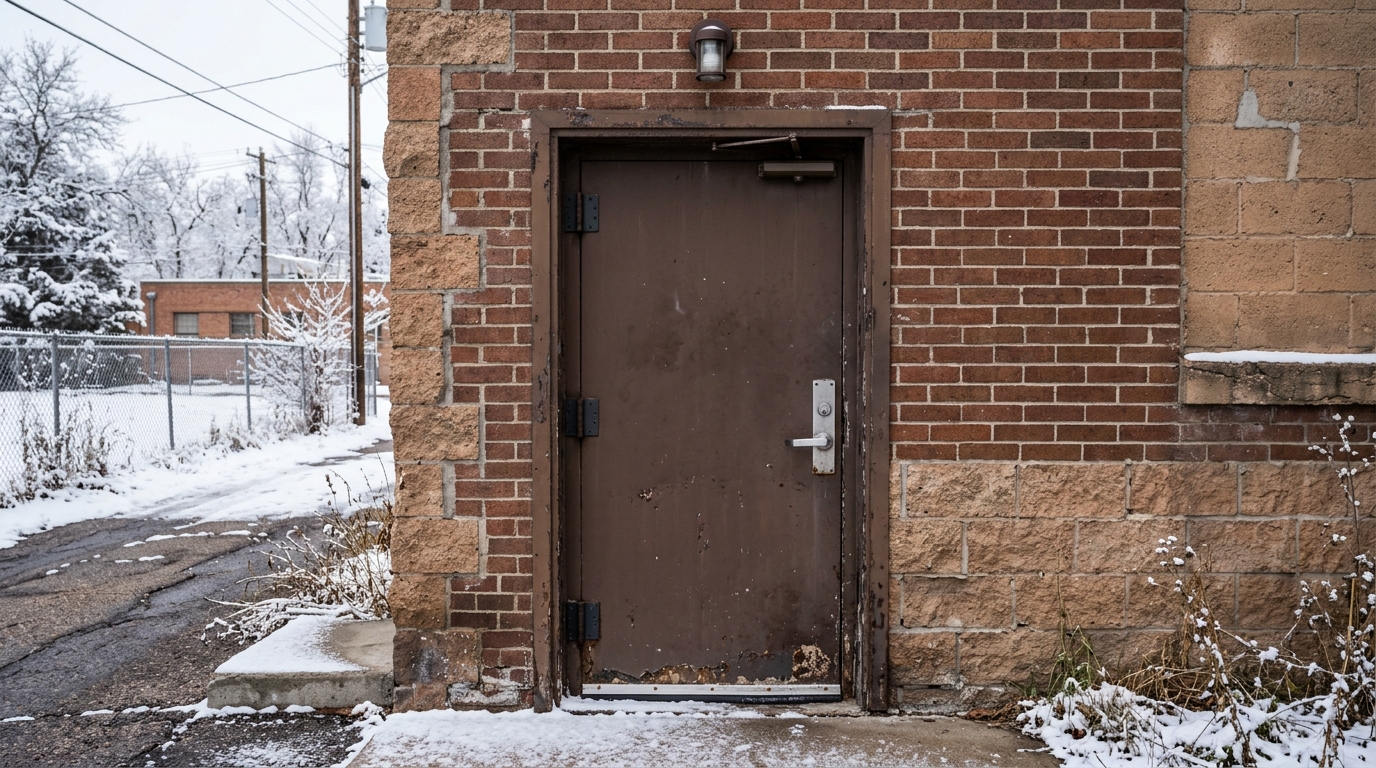
Commercial Door Replacement Before Winter: 5 Signs You Can't Wait Until Spring
By Denver Commercial Doors
Every fall, a lot of business owners look at a tired, drafty door and decide to deal with it in the spring. Then the first real cold snap hits Denver. The door freezes to the frame, the closer stops pulling it shut, snow blows in under the gap, and suddenly a planned project has become an emergency call on a 10-degree morning.
Some door problems really can wait. Others get much worse, and much more expensive, once Colorado winter sets in. At Denver Commercial Doors, we replace commercial doors for businesses across the Front Range year-round, and we see the same warning signs every November. Here are five signs your door should be replaced before winter, not after.
Why Winter Makes Bad Doors Worse
Colorado winters are hard on commercial doors in ways that milder climates aren’t:
- Freeze-thaw cycles. Denver can swing from 60 degrees to below freezing in a single day. Moisture gets into cracks and seams, freezes, expands, and widens the damage a little more each cycle.
- Ice melt and salt. De-icers tracked in on boots sit against the bottom of steel doors and frames and speed up rust.
- Cold-thickened closers. Hydraulic door closers slow down in freezing temperatures, so a door that barely latches in October often won’t latch at all in January.
- Wind and pressure. Strong winter winds and building heating systems push and pull on doors that are already loose.
A door with small problems in the fall tends to have big problems by February.
Sign 1: Rust at the Bottom of the Door or Frame
Rust on a steel door usually starts at the bottom edge, where snow, slush, and ice melt sit against it. Surface rust can sometimes be cleaned and painted, but once you see bubbling paint, flaking metal, or holes, the rust is eating through the door’s skin from the inside.
- Why it can’t wait: Every freeze-thaw cycle pushes more moisture into the damaged metal. A rusted-through door bottom also lets in drafts and pests and is easier to pry open.
- What we usually recommend: Replacing the door, and sometimes the frame, with a new hollow metal door. Galvanized steel is a good choice for exterior doors that take a lot of weather.
Sign 2: You Can Feel a Draft or See Daylight Around the Door
Stand at the door on a cold, windy day. If you feel air moving, or you can see light around the edges or under the bottom, your door is leaking heat. Sometimes new weatherstripping or a new sweep is enough. But if the door is warped, sagging, or the frame is out of square, no amount of weatherstripping will seal it.
- Why it can’t wait: You pay to heat that air all winter. Gaps also let snow and water blow in, which damages flooring and creates a slip hazard.
- What we usually recommend: If the gaps are uneven or have grown over time, it’s usually time for a new door, properly hung and sealed in a square frame. For storefronts, see our guide to hollow metal vs. aluminum storefronts.
Sign 3: The Door Sticks, Drags, or Won’t Latch
A door that drags on the threshold, rubs the frame, or needs a hard push to latch usually has worn hinges, a sagging door, or a shifted frame. In the cold, metal contracts and closers slow down, so these problems get worse fast.
- Why it can’t wait: A door that won’t latch leaves your building unsecured overnight. Fire-rated doors that don’t latch also fail inspection.
- What we usually recommend: Sometimes this is a straightforward repair. Our guide to why a commercial door won’t latch or close covers the most common causes. If the door has been adjusted again and again and the problem keeps coming back, replacing it is usually cheaper in the long run.
Sign 4: Visible Damage or Signs of Forced Entry
Dents from carts and dollies, a bent edge from a forklift, or pry marks near the lock are more than cosmetic. Damaged doors and frames often don’t close or lock properly, and pry marks mean someone has already tested your door.
- Why it can’t wait: Break-ins tend to rise during the long, dark winter evenings. A damaged door is also more likely to fail completely in the cold.
- What we usually recommend: Replacing the door with a heavier-gauge steel door, and adding security upgrades like a latch guard, security hinges, or a better lock. Learn more about our door hardware and security services.
Sign 5: You Keep Paying for the Same Repair
If you’ve had the same door repaired two or three times in the last year, you’re probably paying to patch a door that’s reached the end of its life. Closers, hinges, and locks wear out faster on a door that doesn’t hang right.
- Why it can’t wait: Repair calls during a cold snap are often emergency calls, which cost more and take longer to schedule. Replacing the door now stops the cycle.
- What we usually recommend: Compare the cost of your recent repairs with the cost of a new door. Our guide on commercial door repair vs. replacement costs walks through how to decide.
Why Replacing Now Beats Waiting for Spring
- No emergency pricing. Planned replacements cost less than emergency calls on a frozen January morning.
- Better scheduling. Spring is the busiest season for door work. Booking now means shorter waits and a schedule that works around your business hours.
- Lower heating bills. A properly sealed door starts saving you money right away.
- Better security all winter. A new door and lock protect your building through the longest nights of the year.
- Time for ordering. Some doors, frames, and fire-rated assemblies take a few weeks to order. Starting now means your new door is in before the worst of winter.
Tip: Even if you’re not ready to replace the door today, getting a quote now lets you lock in a plan and order materials so you’re not stuck waiting during a cold snap.
How Much Does Commercial Door Replacement Cost in Denver?
Here are typical installed price ranges for common commercial door replacements in the Denver Metro area:
| Replacement | Typical Installed Cost Range |
|---|---|
| Steel door slab only (existing frame reused) | $1,200 to $2,200 |
| Steel door and new frame | $2,200 to $4,000 |
| Fire-rated steel door and frame | $2,800 to $5,000 |
| Aluminum storefront door | $2,500 to $5,500 |
| Pair of steel doors and frame | $4,000 to $7,500 |
| Weatherstripping, sweep, and threshold upgrade | $250 to $700 |
Note: These are general estimates for planning purposes. Your price depends on door size, type, hardware, and the condition of your existing frame. Request a free estimate for an accurate quote.
Can New Doors Be Installed in Winter?
Yes. Most commercial door replacements are done in a single day, and many take only a few hours. We plan installs so your opening is never left unsecured, and we can work early, late, or around your busiest hours to keep your business running.
Don’t Forget Code and Accessibility
When you replace a door, it’s the right time to make sure it meets current requirements:
- Fire-rated openings need a properly labeled door, frame, and hardware. See our guide to fire-rated doors and inspections in Colorado.
- Exit doors may need panic hardware. Learn more in our article on panic bars and exit devices.
- ADA accessibility sets limits on door opening force, hardware type, and threshold height. See our ADA compliance guide.
Get a Fast Quote, Often From Photos
In many cases, we can quote a replacement from a few photos. Send us a picture of the full door from both sides, a close-up of any rust or damage, and a rough measurement of the door’s width and height.
Denver Commercial Doors replaces commercial doors for businesses throughout Denver, Aurora, Lakewood, Arvada, Westminster, Broomfield, Centennial, and the rest of the Front Range. Our commercial door installation team will help you pick the right door and have it installed before the worst of winter.
Is your door ready for winter? Contact Denver Commercial Doors today or call (303) 550-6252. We’ll help you decide whether to repair or replace, and get you a clear quote fast.